
The Truth About Natural Henna v/s Chemical Henna
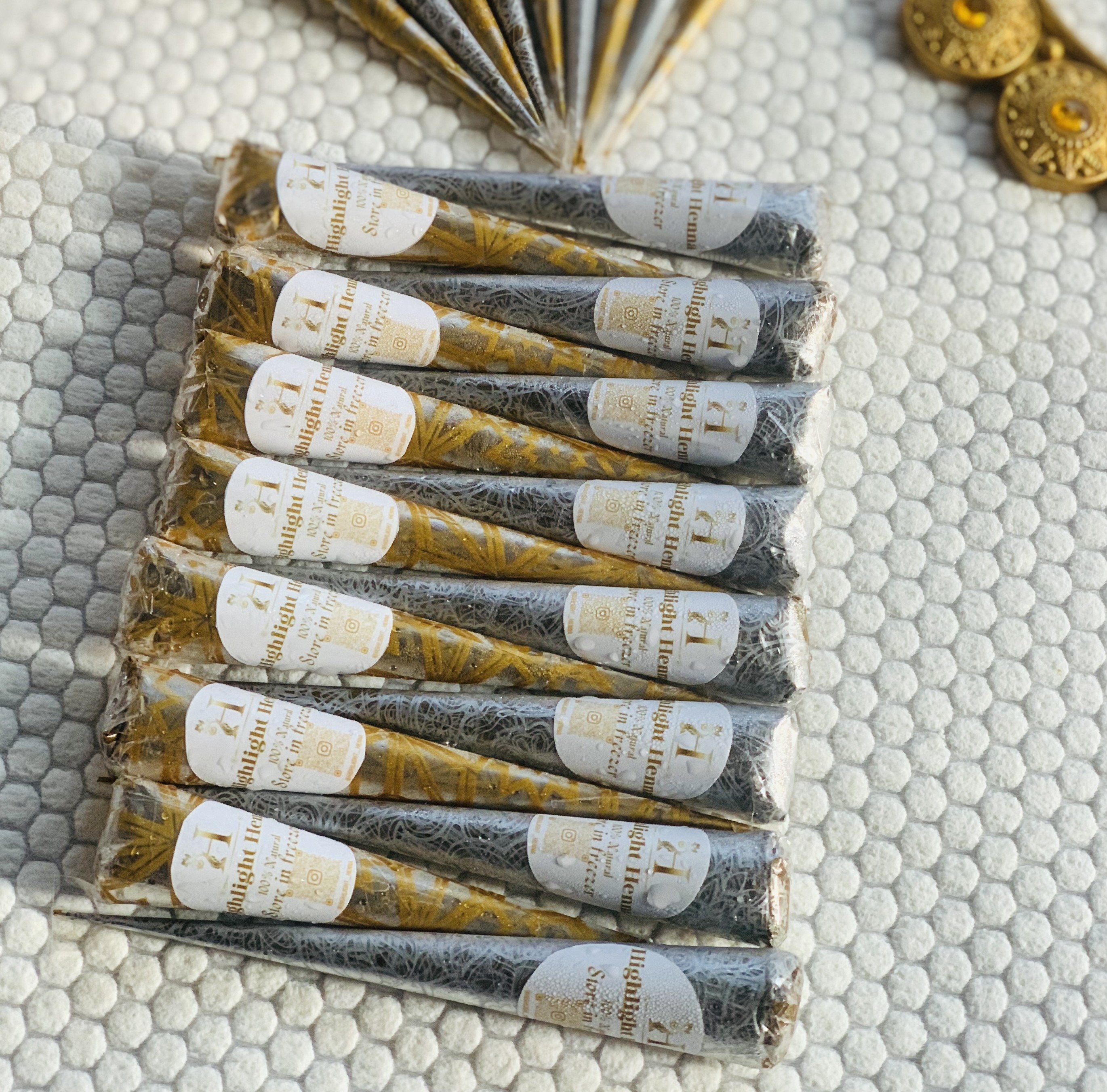
Understanding the difference between natural henna and chemical henna is essential for both beauty and skin health. While both may look similar at first, their ingredients, effects, and safety levels are completely different.Natural henna is made from powdered henna leaves and stains the skin through a natural oxidation process. The color gradually darkens over 24–48 hours, resulting in a reddish-brown to deep brown stain. It is safe, soothing, and temporary, fading naturally over time.
Chemical henna, often sold as “black henna” or “instant henna,” contains artificial dyes and chemicals such as PPD (para-phenylenediamine). These chemicals can cause severe allergic reactions, burns, blisters, and even permanent scarring. The dark color appears quickly, but at the cost of serious skin damage.Another major difference lies in longevity and quality. Natural henna stains fade evenly and gracefully, while chemical henna often leaves patchy marks and can damage the skin barrier. Professional and ethical henna artists strictly avoid chemical henna due to its health risks.Choosing natural henna is not just about beauty—it is about safety, tradition, and professionalism. For clients and award panels alike, the use of natural henna demonstrates responsibility and expertise.